
If you own a home in Memphis, TN, your foundation could be hiding a serious problem. Slab leaks — water leaks that occur beneath your concrete foundation — are one of the most common and most damaging plumbing issues in the Mid-South. The clay-heavy soil throughout Shelby County expands and contracts with our dramatic temperature swings, putting constant stress on the copper and galvanized pipes running beneath your slab.
At Patton Leak Detection, we’ve spent over 20 years diagnosing and locating slab leaks across the Memphis metro area. In that time, we’ve seen firsthand how a small, undetected leak can escalate into thousands of dollars in structural damage. The key to protecting your home? Catching the warning signs early.
10 Warning Signs of a Slab Leak
1. Unexplained Spike in Your Water Bill
One of the earliest and most reliable indicators of a slab leak is a sudden increase in your water bill without a corresponding change in usage. Even a small crack in a pipe beneath your foundation can waste hundreds of gallons per day. If your MLGW bill jumps by 25% or more with no explanation, a hidden leak is a likely culprit.
2. Sound of Running Water When Everything Is Off
Turn off every faucet, appliance, and fixture in your home. Stand quietly in different rooms. If you can hear the faint sound of water running, hissing, or dripping — especially near the floor — water may be escaping from a pipe beneath your slab. This sound is often most noticeable at night when the house is quiet.
3. Warm or Hot Spots on Your Floor
If a hot water line is leaking beneath your foundation, the escaping hot water will warm the concrete above it. Walk barefoot through your home and pay attention to any areas where the floor feels noticeably warmer than the surrounding surface. This is especially common in hallways and near bathrooms where hot water lines run.
4. Damp or Wet Spots on Floors
Unexplained moisture on your floors — whether carpet feels damp, hardwood is buckling, or tile grout is discolored — is a serious warning sign. In Memphis, our humid climate can mask some moisture issues, but persistent wet spots that don’t dry out (especially away from exterior walls) often point to water rising through the slab from below.
5. Cracks in Walls, Ceilings, or Foundation
Water escaping beneath your foundation erodes the soil that supports it. Over time, this causes the slab to shift, settle unevenly, or heave — resulting in visible cracks. Hairline cracks in drywall, stair-step cracks in brick veneer, or new cracks in the foundation itself can all indicate that a slab leak has been undermining your home’s structural integrity.
6. Mold or Mildew Smell
Memphis summers bring plenty of humidity, but a persistent musty or moldy smell — particularly near the floor or in rooms without obvious moisture sources — suggests hidden water intrusion. Slab leaks create a constantly moist environment beneath your flooring, which is ideal for mold and mildew growth. Left unchecked, this becomes both a structural problem and a health hazard.
7. Low Water Pressure
When water is escaping through a crack or hole in your pipe before it reaches your fixtures, you’ll notice a gradual drop in water pressure throughout the house. If multiple faucets and showers seem weaker than usual — and your neighbors aren’t reporting the same issue — the pressure loss may be due to a leak in your supply line beneath the slab.
8. Foundation Heaving or Uneven Floors
In severe cases, the water saturating the soil beneath your foundation can cause the slab to heave upward. You may notice doors that suddenly won’t close properly, visible slopes in previously level floors, or gaps appearing between the floor and baseboards. This indicates significant water accumulation that requires immediate professional attention.
9. Your Water Meter Is Spinning When Nothing Is Running
Here’s a simple test any homeowner can perform: turn off every water-using appliance and fixture in your home, then check your water meter. If the dial is still moving or the digital readout is changing, water is leaving your system somewhere. This is one of the most definitive at-home tests for detecting a hidden leak.
10. Pooling Water Around the Foundation Exterior
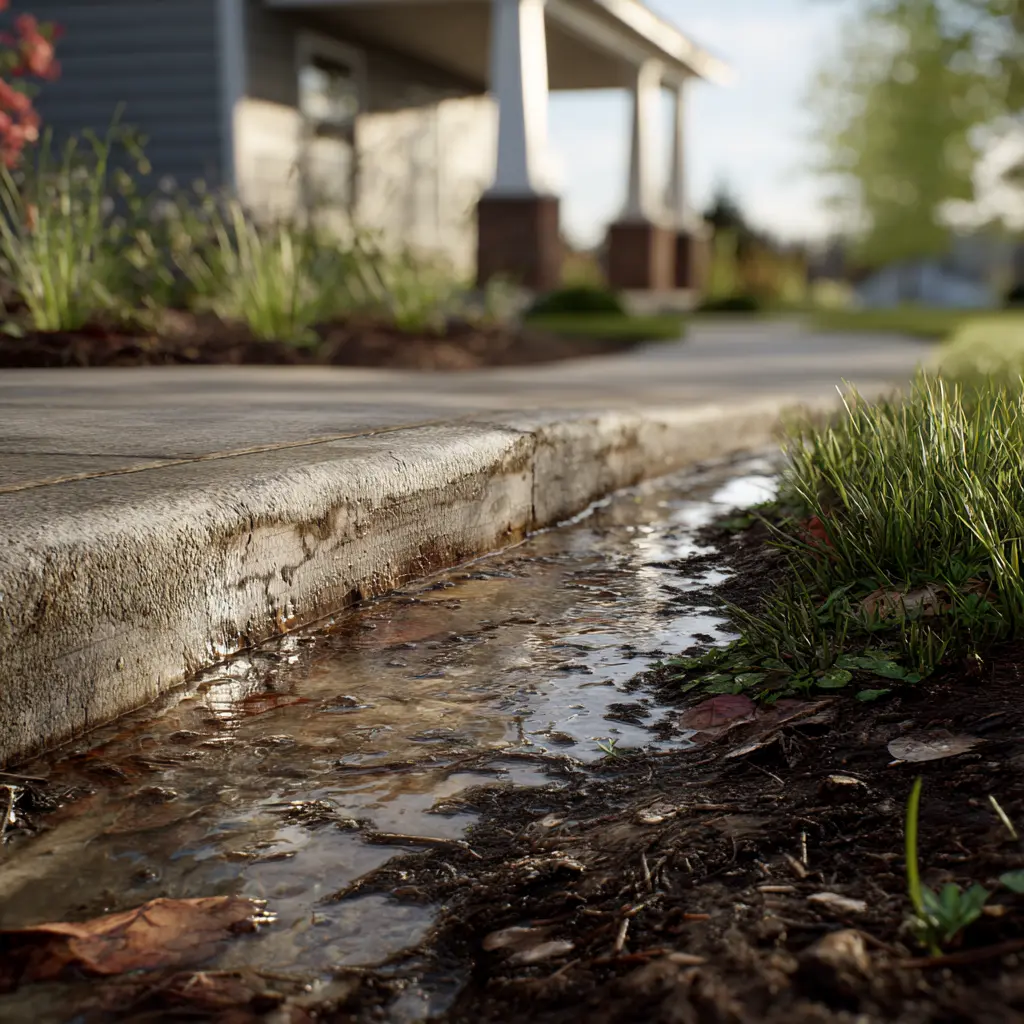
Check the perimeter of your home, especially after dry spells. If you notice water pooling, saturated soil, or unusually green patches of grass near the foundation when it hasn’t rained, water from a slab leak may be migrating to the surface around the edges of your home.
Why Memphis Homes Are Especially Vulnerable
Several factors unique to the Memphis, TN area make our homes more susceptible to slab leaks than homes in many other regions:
- Expansive clay soil: The clay-heavy soil throughout Shelby, Tipton, Fayette, and Haywood counties expands when wet and shrinks when dry. This constant movement puts mechanical stress on underground pipes.
- Temperature extremes: Memphis temperatures range from the teens in winter to over 100°F in summer. These thermal cycles cause pipes to expand and contract, gradually weakening joints and connections.
- Aging copper pipes: Many Memphis homes built in the 1960s–1980s have original copper supply lines beneath the slab. After 40-60 years, these pipes are at prime risk for pinhole leaks caused by corrosion.
- Hard water: Memphis Area water, while generally high-quality from the Memphis Sand Aquifer, can still cause mineral buildup over decades that contributes to pipe degradation.
How Professional Slab Leak Detection Works
If you’ve noticed one or more of the warning signs above, the next step is calling a professional leak detection specialist. At Patton Leak Detection, we use a combination of advanced, non-invasive technologies to pinpoint the exact location of a slab leak without tearing up your floors:
- Acoustic listening equipment: Highly sensitive microphones detect the sound of pressurized water escaping from pipes, even through several inches of concrete.
- Thermal imaging cameras: Infrared technology reveals temperature variations on the surface of your floor, identifying hot or cold spots created by leaking water.
- Pressure testing: We isolate sections of your plumbing system and test for pressure drops, which confirm the presence and approximate location of a leak.
- Electromagnetic pipe locating: Before any detection work begins, we map the layout of pipes beneath your slab so we know exactly where to listen and look.
The entire process typically takes 1-3 hours depending on the complexity of your plumbing layout. Our goal is to find the leak with pinpoint accuracy so that any necessary repair work is as minimal and targeted as possible.
The Cost of Waiting
Slab leaks don’t fix themselves, and they always get worse over time. Here’s what can happen if a slab leak goes undetected or is ignored:
- Structural damage: Foundation shifting and cracking that can cost $5,000–$15,000+ to repair
- Mold remediation: Persistent moisture creates mold colonies that can cost $2,000–$10,000 to remediate
- Flooring replacement: Water-damaged hardwood, carpet, and tile often need full replacement
- Wasted water: Hundreds of gallons per day add up to significant MLGW bills
- Health risks: Mold exposure causes respiratory issues, especially for children, elderly, and immunocompromised individuals
Early detection is always the most cost-effective approach. A professional leak detection inspection costs a fraction of what you’ll spend repairing the damage from an undetected leak.
Frequently Asked Questions
How much does slab leak detection cost in Memphis?
Professional slab leak detection in Memphis typically costs between $150 and $400, depending on the size of your home and complexity of the plumbing system. This is a small investment compared to the thousands of dollars in damage an undetected leak can cause. At Patton Leak Detection, we provide transparent pricing with no hidden fees.
Does homeowners insurance cover slab leak damage?
Most homeowners insurance policies in Tennessee cover the resulting damage from a slab leak (water damage to flooring, walls, personal property) but typically do not cover the cost of repairing or replacing the leaking pipe itself. Coverage varies by policy, so check with your insurance provider. We provide detailed inspection reports that are formatted to support insurance claims.
Can I detect a slab leak myself?
You can identify warning signs (the 10 signs listed above), and the water meter test is a reliable at-home check. However, pinpointing the exact location of a leak beneath a concrete slab requires professional equipment — acoustic sensors, thermal cameras, and pressure testing tools. Attempting to locate a leak without this equipment often leads to unnecessary demolition and higher repair costs.
How long does a slab leak detection inspection take?
Most slab leak detection inspections take between 1 and 3 hours. Factors that affect the timeline include the size of your home, the number of plumbing lines beneath the slab, accessibility, and whether multiple leaks are present. We’ll give you a time estimate when we arrive and keep you informed throughout the process.
What causes slab leaks in Memphis homes?
The most common causes of slab leaks in Memphis include: corrosion of aging copper pipes (especially in homes built before 1990), soil shifting due to our expansive clay soil, poor original construction or installation, abrasion from pipes rubbing against concrete or gravel, and high water pressure. Memphis’s climate — with its temperature extremes and heavy rainfall — accelerates many of these factors.
Do you offer emergency slab leak detection?
Yes. If you’re experiencing active flooding, a rapidly increasing water bill, or visible foundation damage, contact us immediately. We offer same-day and next-day appointments for urgent slab leak situations in the Memphis metro area including Germantown, Collierville, Bartlett, Arlington, Covington, and Brownsville.
Suspect a Slab Leak? Get Expert Help Today
If you’ve noticed any of the warning signs described in this guide, don’t wait for the problem to get worse. Patton Leak Detection has been serving Memphis and the surrounding communities for over 20 years. Our licensed technicians use state-of-the-art, non-invasive technology to find leaks fast — so you can stop the damage before it starts.
